Read more about the article Shoulder Labral Tears: Evidence-Based Conservative Management through Physiotherapy
Types of shoulder labral tears (SLAP, Bankart) and indications for physiotherapy.

Shoulder Labral Tears: Evidence-Based Conservative Management through Physiotherapy

Introduction Shoulder labral tears, including SLAP (superior labrum anterior-posterior) lesions and Bankart lesions, are commonly encountered in athletes and active adults. These injuries, often resulting from trauma or repetitive overhead…

Continue ReadingShoulder Labral Tears: Evidence-Based Conservative Management through Physiotherapy
Read more about the article Shoulder Labral Tear: Understanding the Injury and How Physiotherapy Can Help
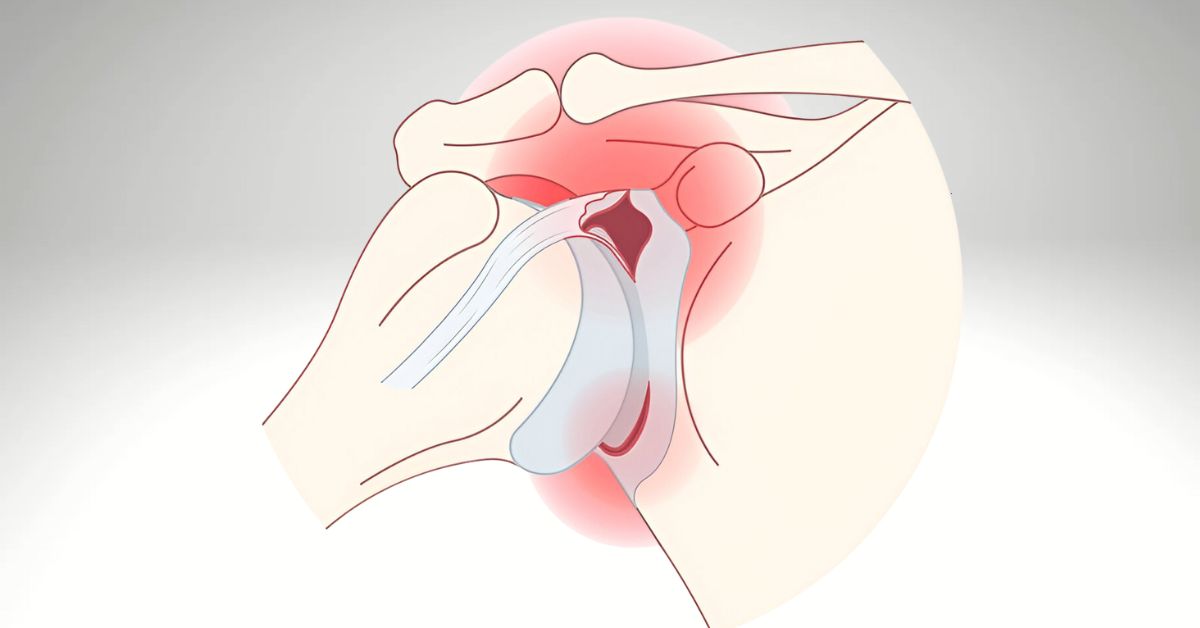
Physiotherapy assessment for shoulder labral tear.

Shoulder Labral Tear: Understanding the Injury and How Physiotherapy Can Help

If you’re feeling a deep ache in your shoulder, clicking or catching during movement, or have lost strength after a sports injury or fall, you may be dealing with a…

Continue ReadingShoulder Labral Tear: Understanding the Injury and How Physiotherapy Can Help
Read more about the article Ankle Sprains: A Physiotherapy-Led Strategy for Acute Management and Reinjury Prevention
Anatomy of lateral ankle ligaments involved in sprains

Ankle Sprains: A Physiotherapy-Led Strategy for Acute Management and Reinjury Prevention

Introduction Lateral ankle sprains account for nearly 40% of all sports-related injuries and up to 20% of injuries in the general population. Despite being labeled “mild,” up to 33% of…

Continue ReadingAnkle Sprains: A Physiotherapy-Led Strategy for Acute Management and Reinjury Prevention
Read more about the article Ankle Sprain: How to Recover Stronger and Prevent It from Coming Back
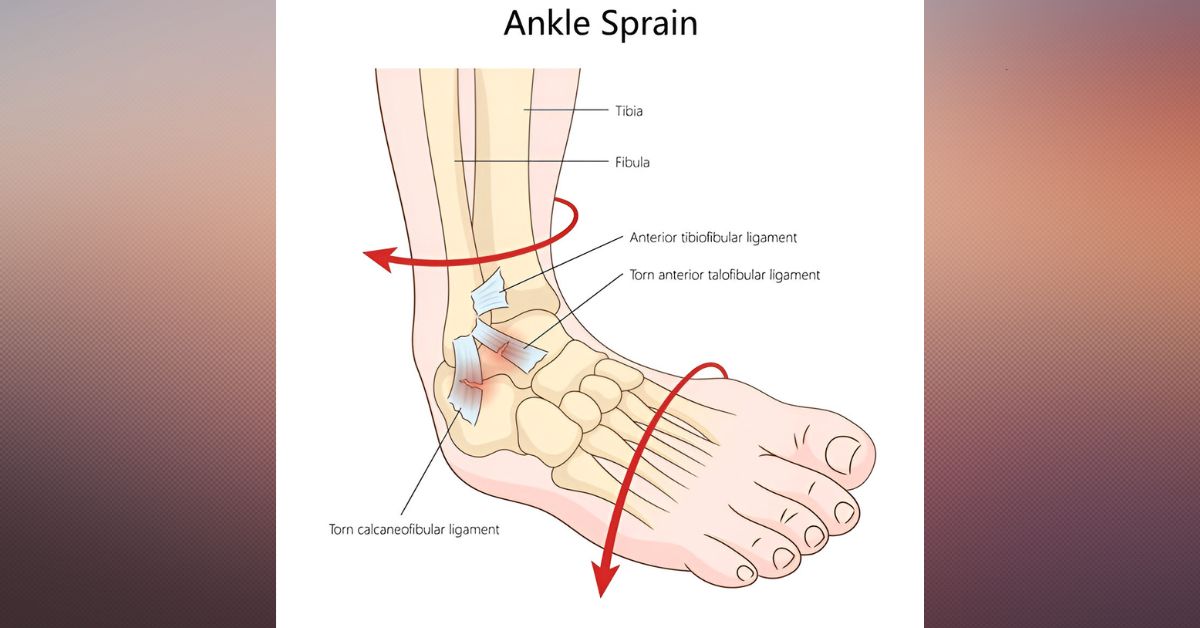
illustration of a lateral ankle sprain

Ankle Sprain: How to Recover Stronger and Prevent It from Coming Back

Have you twisted your ankle and are now dealing with pain, swelling, and difficulty walking? You might have a lateral ankle sprain, one of the most common injuries—especially in sports,…

Continue ReadingAnkle Sprain: How to Recover Stronger and Prevent It from Coming Back
Read more about the article Hip Osteoarthritis: A Physiotherapy-Driven Model for Conservative Management
Hip osteoarthritis progression and physiotherapy intervention points

Hip Osteoarthritis: A Physiotherapy-Driven Model for Conservative Management

Introduction Hip osteoarthritis (OA) is a degenerative joint disease that significantly impacts mobility, function, and quality of life. Although pharmacological management and eventual total hip arthroplasty (THA) are standard considerations,…

Continue ReadingHip Osteoarthritis: A Physiotherapy-Driven Model for Conservative Management

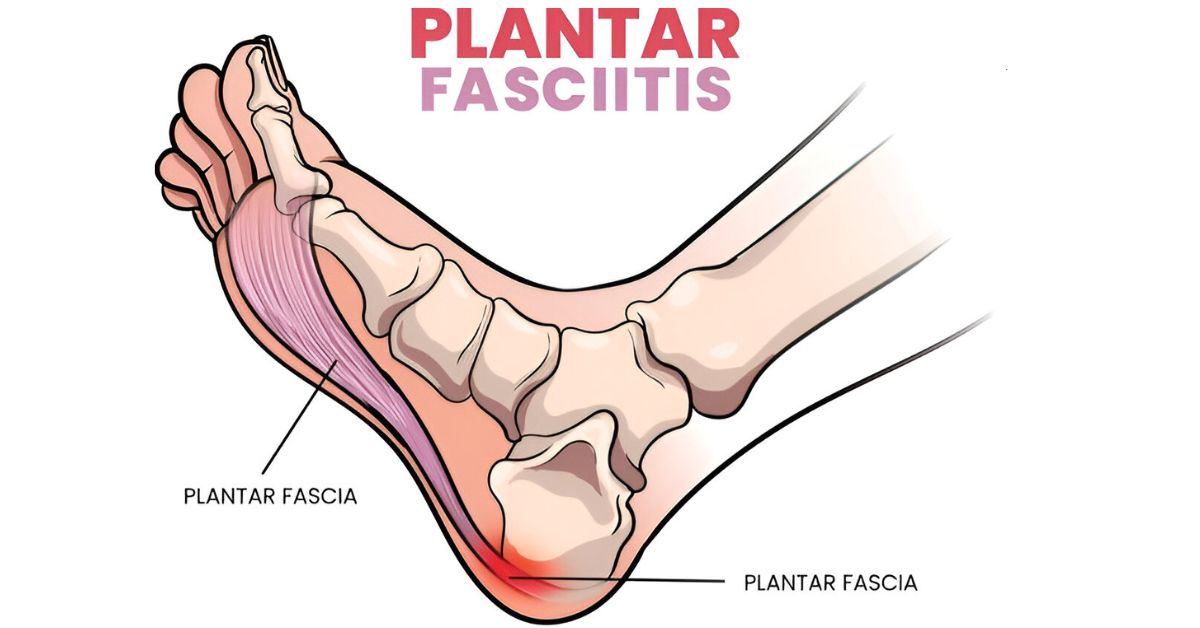
Plantar Fasciitis: A Physiotherapist’s Perspective on Evidence-Based Conservative Care

Overview Plantar fasciitis accounts for nearly 15% of foot-related complaints in general practice (Riddle & Schappert, 2004). As a leading cause of heel pain, it frequently affects adults aged 40–60…

Continue ReadingPlantar Fasciitis: A Physiotherapist’s Perspective on Evidence-Based Conservative Care
Read more about the article Vaginismus: An Underrecognized Condition and the Role of Physiotherapy in Evidence-Based Management
Pelvic health physiotherapist treating a woman with vaginismus in a clinical setting

Vaginismus: An Underrecognized Condition and the Role of Physiotherapy in Evidence-Based Management

Overview Vaginismus, classified under Genito-Pelvic Pain/Penetration Disorder in the DSM-5, is a complex condition characterized by involuntary contraction of the pelvic floor muscles, leading to painful or impossible vaginal penetration.…

Continue ReadingVaginismus: An Underrecognized Condition and the Role of Physiotherapy in Evidence-Based Management