What Is Vaginismus? Vaginismus is a condition where the muscles around the vagina tighten up automatically when something tries to enter—whether it’s a tampon, finger, or during intercourse. This muscle reaction is involuntary and can make any form of penetration painful or completely impossible. This can be confusing, frustrating, and isolating. But you are not […]
Dyspareunia and the Role of Pelvic Floor Physiotherapy: A Clinical Perspective for Physician Collaboration
Introduction: Dyspareunia affects a significant proportion of reproductive-age and perimenopausal women. Despite its prevalence and impact on quality of life, it remains underdiagnosed and undertreated. As physiotherapists specializing in pelvic health, we are seeking to collaborate with physicians to improve access to evidence-based care. Clinical Definition and Subtypes Dyspareunia can be categorized into superficial and […]
Hip Labral Tear: What It Is and How Physiotherapy Can Help You Heal
Do you feel a sharp pain deep in your groin or front of your hip? Does your hip click, catch, or feel unstable—especially when sitting, squatting, or twisting? You might have a hip labral tear, a common but often misunderstood source of hip pain. Fortunately, physiotherapy can help you manage this condition without surgery in […]
Hip Labral Tears: A Physiotherapist’s Role in Conservative Management and Pre/Post-Operative Care
Introduction Acetabular labral tears are a leading cause of chronic hip and groin pain in young adults and athletes, often associated with femoroacetabular impingement (FAI). While arthroscopic repair remains a common treatment, a growing body of RCTs supports physiotherapy as a first-line or adjunctive option—particularly for pain reduction, functional improvement, and long-term joint preservation. Clinical […]
Lateral Epicondylalgia (Tennis Elbow): What It Is and How Physiotherapy Can Help
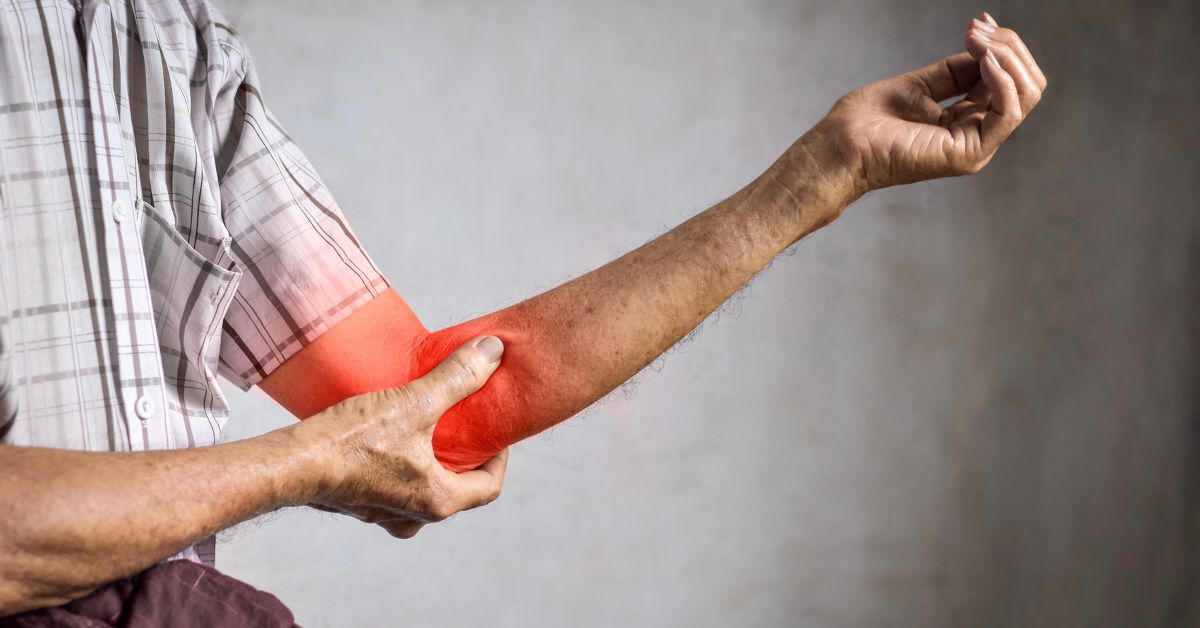
Do you feel pain on the outside of your elbow—especially when lifting, gripping, or twisting a doorknob? You might have lateral epicondylalgia, commonly known as tennis elbow. And no, you don’t have to play tennis to get it. This condition affects many people—especially those who use their hands and wrists repeatedly for work or sports—but […]
Lateral Epicondylalgia: Evidence-Based Physiotherapy as a Primary Management Strategy
Overview Lateral Epicondylalgia (LE) is a degenerative tendinopathy affecting the extensor carpi radialis brevis tendon, presenting as lateral elbow pain during resisted wrist extension or gripping. It affects approximately 1–3% of the population, especially middle-aged adults and individuals engaged in repetitive forearm activity. While corticosteroid injections offer short-term relief, mounting RCT evidence supports physiotherapy as […]
Medial Epicondylalgia (Golfer’s Elbow): What It Is and How Physiotherapy Can Help
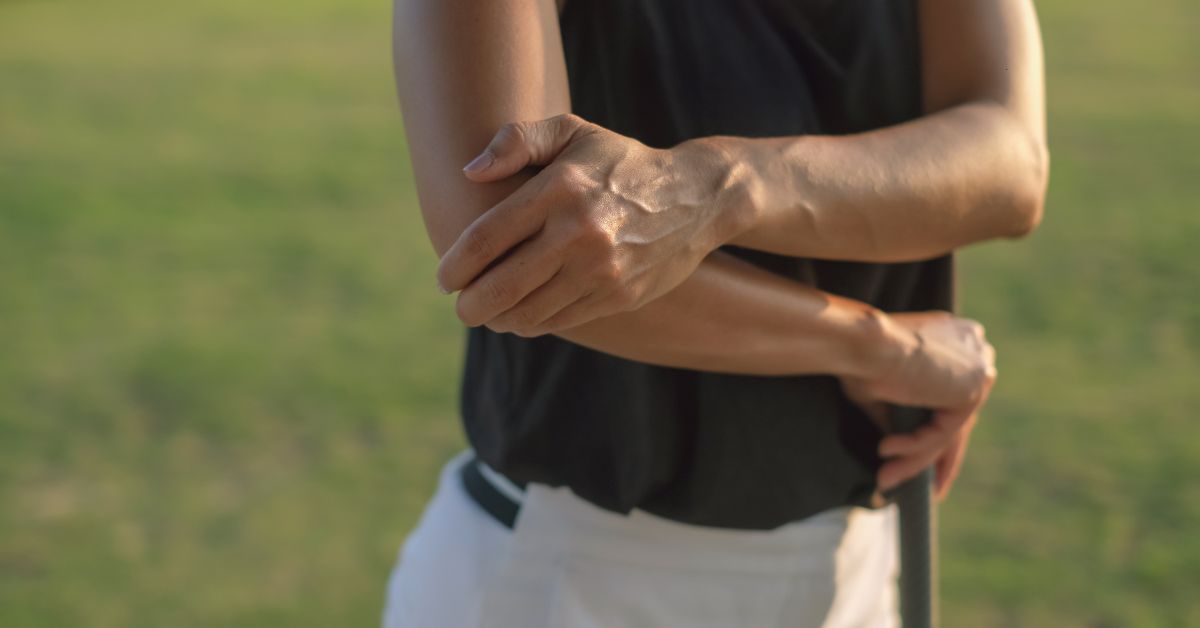
You don’t need to be a golfer to experience golfer’s elbow—a condition that causes pain on the inner part of your elbow. Whether it’s from lifting, typing, gripping, or swinging a racket, medial epicondylalgia can make daily tasks frustrating and painful. But the good news is that you can heal—and physiotherapy can help you get […]
Medial Epicondylalgia: Physiotherapy as a First-Line Treatment for Sustainable Results
Overview Medial epicondylalgia, or golfer’s elbow, is a less common but equally disabling condition compared to lateral epicondylalgia. It involves degenerative changes at the common flexor tendon origin, especially in the flexor carpi radialis and pronator teres. Evidence increasingly supports physiotherapy—including eccentric loading, manual therapy, and neuromuscular retraining—as a first-line intervention that can reduce pain, […]
Pelvic Organ Prolapse: The Role of Pelvic Floor Physiotherapy in Conservative Management
Clinical Overview Pelvic Organ Prolapse (POP) is the descent of one or more pelvic organs—bladder (cystocele), uterus (uterine prolapse), or rectum (rectocele)—into or through the vaginal canal due to loss of support from the pelvic floor muscles, ligaments, and fascia. This is typically a result of levator ani avulsion, connective tissue laxity, or neuropathic injury […]
Stress urinary incontinence (SUI)
Stress urinary incontinence (SUI) affects up to 1 in 3 women globally and is a major contributor to decreased quality of life, social withdrawal, and even depression in otherwise healthy individuals (Bo et al., 2017). As physiotherapists, we are often the first non-surgical, non-pharmacologic point of contact for these patients. With increasing evidence supporting pelvic […]