Skip to content
Noshin's Physiotherapy
  • Home
  • About
    • About Noshin’s Physiotherapy
  • For Patients
    • Orthopedic Physiotherapy
    • Pelvic Floor Physiotherapy
  • For Clinicians
    • Orthopedic Physiotherapy
    • Pelvic Floor Physiotherapy
  • FAQs
    • Orthopedic & Sports
      • General Questions
      • Treatment Techniques
      • Specific Treatments
      • Rehabilitation and Recovery
      • Preventive Care and Wellness
      • Pediatric & Adolescence
      • Specialized Therapies
      • Diagnostics and Assessments
      • Specialized Areas
      • Practical Advice
    • Pelvic Floor
      • General Questions
      • Pregnancy and Postpartum
      • Urinary & Fecal Incontinence
      • Pelvic Pain and Sexual Health
      • Prolapse / Pelvic Support
      • Specialized Techniques
      • Exercises and Techniques
      • Prevention and Maintenance
      • Special Considerations
      • Additional Questions
  • Contact
Physiotherapist guiding patient through rehabilitation for shoulder labral tear

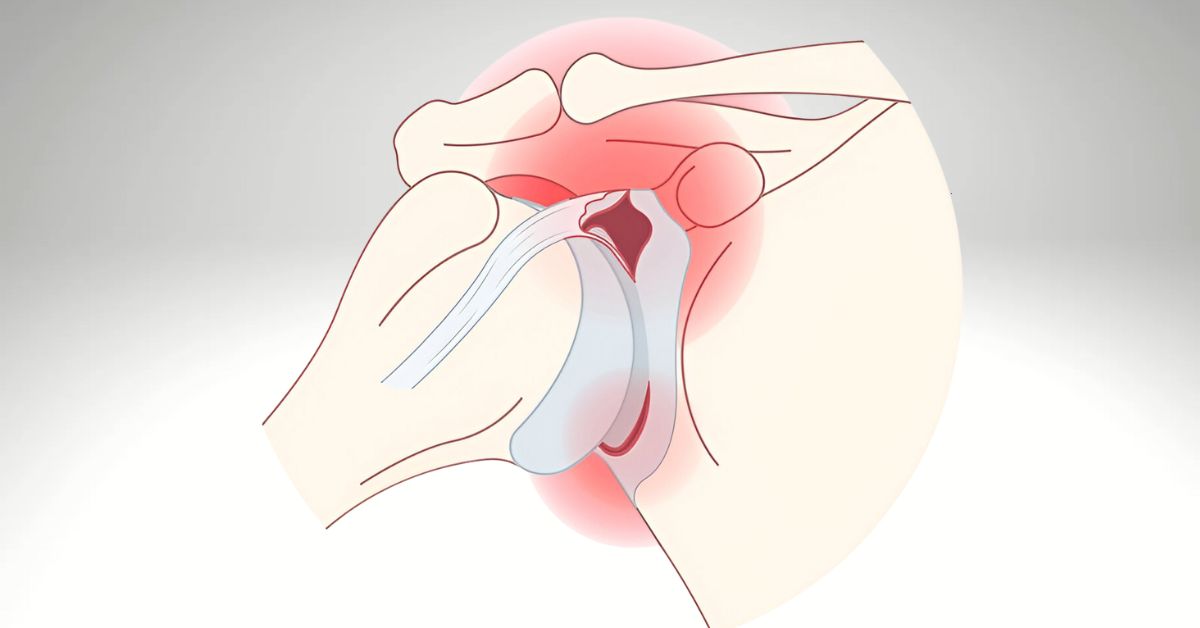
Shoulder Labral Tears: Evidence-Based Conservative Management through Physiotherapy

For Clinician,  Orthopedic-c

Introduction Shoulder labral tears, including SLAP (superior labrum anterior-posterior) lesions and Bankart lesions, are commonly encountered in athletes and active adults. These injuries, often resulting from trauma or repetitive overhead motion, contribute to shoulder instability, dysfunction, and pain. While arthroscopy remains a treatment option for complex tears, high-quality RCTs support conservative management through physiotherapy for […]

June 9, 2025 / Comments Off on Shoulder Labral Tears: Evidence-Based Conservative Management through Physiotherapy
read more
Physiotherapist performing manual therapy for lateral ankle sprain rehabilitation

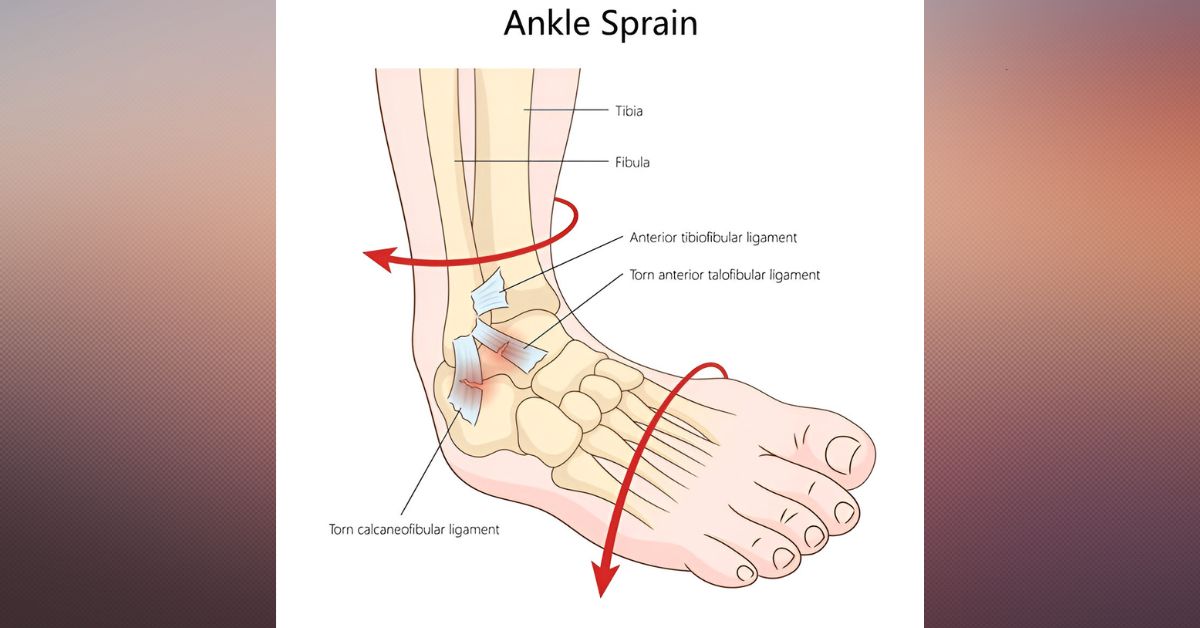
Ankle Sprains: A Physiotherapy-Led Strategy for Acute Management and Reinjury Prevention

For Clinician,  Orthopedic-c

Introduction Lateral ankle sprains account for nearly 40% of all sports-related injuries and up to 20% of injuries in the general population. Despite being labeled “mild,” up to 33% of patients experience chronic instability, impaired proprioception, and repeat injuries. Evidence-based physiotherapy is central to both acute care and long-term recovery. Anatomical & Functional Overview The […]

June 7, 2025 / Comments Off on Ankle Sprains: A Physiotherapy-Led Strategy for Acute Management and Reinjury Prevention
read more
Physiotherapist performing joint mobilization on a patient with hip osteoarthritis

Hip Osteoarthritis: A Physiotherapy-Driven Model for Conservative Management

For Clinician,  Orthopedic-c

Introduction Hip osteoarthritis (OA) is a degenerative joint disease that significantly impacts mobility, function, and quality of life. Although pharmacological management and eventual total hip arthroplasty (THA) are standard considerations, physiotherapy offers a non-invasive, evidence-based solution that can reduce pain, improve gait mechanics, and delay or prevent surgery. We invite referring physicians to consider a […]

June 6, 2025 / Comments Off on Hip Osteoarthritis: A Physiotherapy-Driven Model for Conservative Management
read more

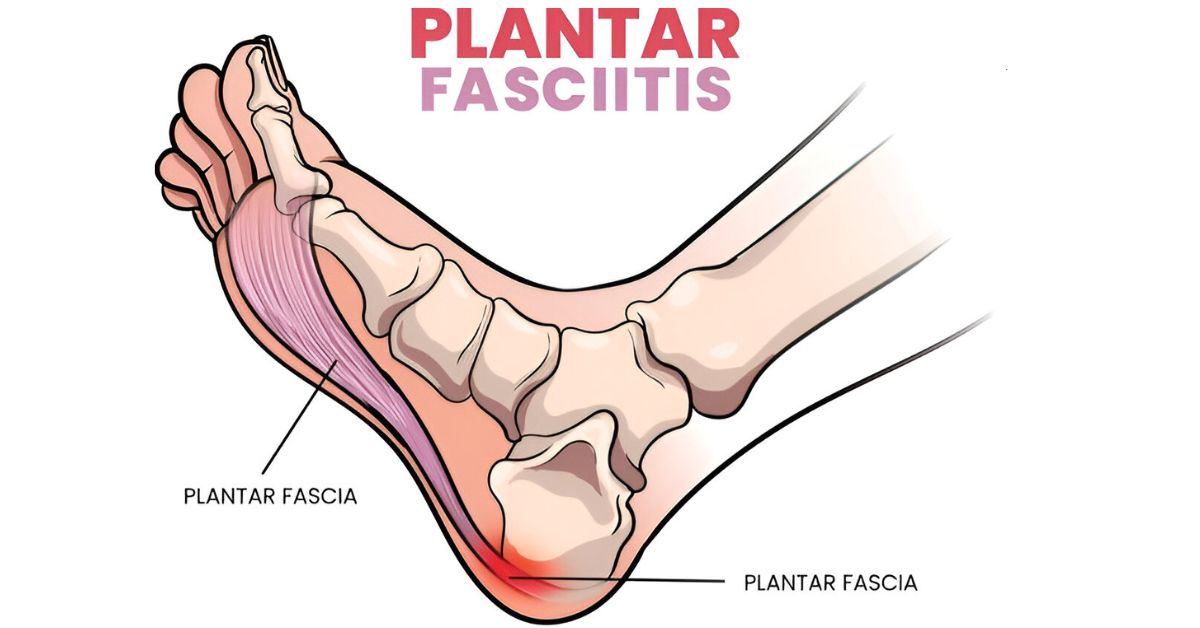
Plantar Fasciitis: A Physiotherapist’s Perspective on Evidence-Based Conservative Care

For Clinician,  Orthopedic-c

Overview Plantar fasciitis accounts for nearly 15% of foot-related complaints in general practice (Riddle & Schappert, 2004). As a leading cause of heel pain, it frequently affects adults aged 40–60 and is often managed conservatively. Physiotherapy plays a central role in achieving symptom resolution and preventing recurrence. Pathophysiology Histological studies reveal a degenerative rather than […]

June 5, 2025 / Comments Off on Plantar Fasciitis: A Physiotherapist’s Perspective on Evidence-Based Conservative Care
read more
Pelvic health physiotherapist treating a woman with vaginismus in a clinical setting

Vaginismus: An Underrecognized Condition and the Role of Physiotherapy in Evidence-Based Management

For Clinician,  Pelvic-c

Overview Vaginismus, classified under Genito-Pelvic Pain/Penetration Disorder in the DSM-5, is a complex condition characterized by involuntary contraction of the pelvic floor muscles, leading to painful or impossible vaginal penetration. Despite its significant impact on physical and psychosocial well-being, it is often misdiagnosed or dismissed. As physiotherapists with expertise in pelvic health, we propose an […]

June 4, 2025 / Comments Off on Vaginismus: An Underrecognized Condition and the Role of Physiotherapy in Evidence-Based Management
read more
Pelvic floor anatomy relevant to dyspareunia

Dyspareunia and the Role of Pelvic Floor Physiotherapy: A Clinical Perspective for Physician Collaboration

For Clinician,  Pelvic-c

Introduction: Dyspareunia affects a significant proportion of reproductive-age and perimenopausal women. Despite its prevalence and impact on quality of life, it remains underdiagnosed and undertreated. As physiotherapists specializing in pelvic health, we are seeking to collaborate with physicians to improve access to evidence-based care. Clinical Definition and Subtypes Dyspareunia can be categorized into superficial and […]

May 22, 2025 / Comments Off on Dyspareunia and the Role of Pelvic Floor Physiotherapy: A Clinical Perspective for Physician Collaboration
read more
Hip Labral Tears

Hip Labral Tears: A Physiotherapist’s Role in Conservative Management and Pre/Post-Operative Care

For Clinician,  Orthopedic-c

Introduction Acetabular labral tears are a leading cause of chronic hip and groin pain in young adults and athletes, often associated with femoroacetabular impingement (FAI). While arthroscopic repair remains a common treatment, a growing body of RCTs supports physiotherapy as a first-line or adjunctive option—particularly for pain reduction, functional improvement, and long-term joint preservation. Clinical […]

May 22, 2025 / Comments Off on Hip Labral Tears: A Physiotherapist’s Role in Conservative Management and Pre/Post-Operative Care
read more
Lateral Epicondylalgia Physiotherapy Strategy

Lateral Epicondylalgia: Evidence-Based Physiotherapy as a Primary Management Strategy

For Clinician,  Orthopedic-c

Overview Lateral Epicondylalgia (LE) is a degenerative tendinopathy affecting the extensor carpi radialis brevis tendon, presenting as lateral elbow pain during resisted wrist extension or gripping. It affects approximately 1–3% of the population, especially middle-aged adults and individuals engaged in repetitive forearm activity. While corticosteroid injections offer short-term relief, mounting RCT evidence supports physiotherapy as […]

May 22, 2025 / Comments Off on Lateral Epicondylalgia: Evidence-Based Physiotherapy as a Primary Management Strategy
read more
Medial Epicondylalgia Physiotherapy Treatment

Medial Epicondylalgia: Physiotherapy as a First-Line Treatment for Sustainable Results

For Clinician,  Orthopedic-c

Overview Medial epicondylalgia, or golfer’s elbow, is a less common but equally disabling condition compared to lateral epicondylalgia. It involves degenerative changes at the common flexor tendon origin, especially in the flexor carpi radialis and pronator teres. Evidence increasingly supports physiotherapy—including eccentric loading, manual therapy, and neuromuscular retraining—as a first-line intervention that can reduce pain, […]

May 22, 2025 / Comments Off on Medial Epicondylalgia: Physiotherapy as a First-Line Treatment for Sustainable Results
read more

Pelvic Organ Prolapse: The Role of Pelvic Floor Physiotherapy in Conservative Management

For Clinician,  Health,  Pelvic-c

Clinical Overview Pelvic Organ Prolapse (POP) is the descent of one or more pelvic organs—bladder (cystocele), uterus (uterine prolapse), or rectum (rectocele)—into or through the vaginal canal due to loss of support from the pelvic floor muscles, ligaments, and fascia. This is typically a result of levator ani avulsion, connective tissue laxity, or neuropathic injury […]

April 23, 2025 / Comments Off on Pelvic Organ Prolapse: The Role of Pelvic Floor Physiotherapy in Conservative Management
read more

Posts pagination

1 2 Next
Royal Elementor Kit Theme by WP Royal.