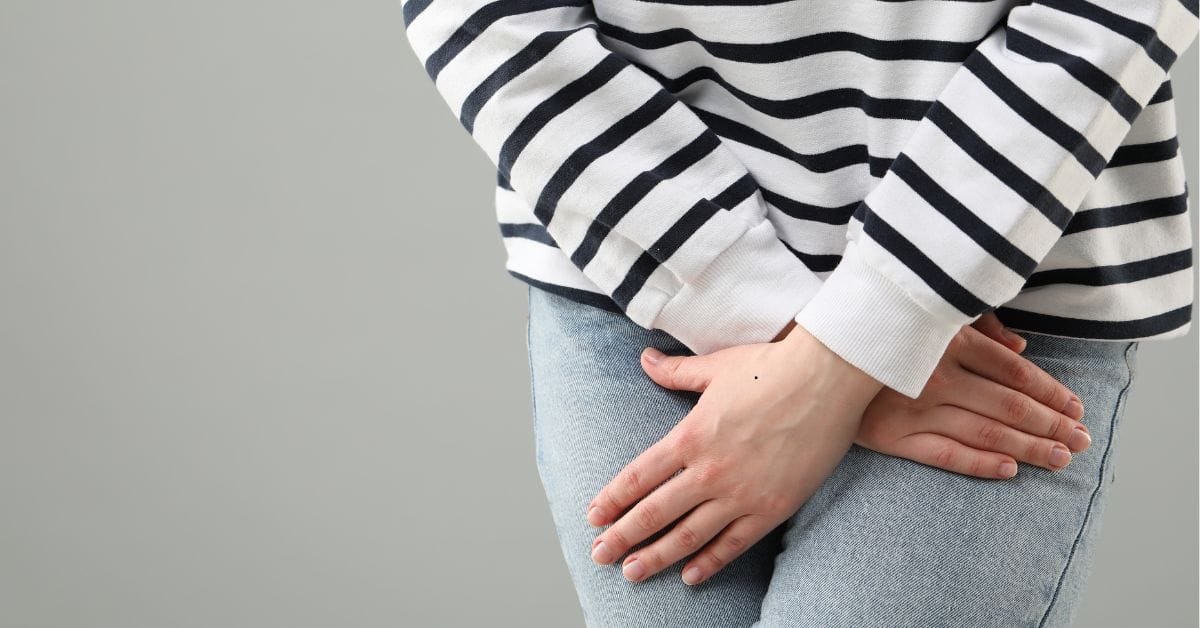
Clinical Overview Pelvic Organ Prolapse (POP) is the descent of one or more pelvic organs—bladder (cystocele), uterus (uterine prolapse), or rectum (rectocele)—into or through the vaginal canal due to loss of support from the pelvic floor muscles, ligaments, and fascia. This is typically a result of levator ani avulsion, connective tissue laxity, or neuropathic injury […]
Stress urinary incontinence (SUI)
Stress urinary incontinence (SUI) affects up to 1 in 3 women globally and is a major contributor to decreased quality of life, social withdrawal, and even depression in otherwise healthy individuals (Bo et al., 2017). As physiotherapists, we are often the first non-surgical, non-pharmacologic point of contact for these patients. With increasing evidence supporting pelvic […]
Overactive Bladder (OAB): A Clinical Overview for Referring Clinicians
Overactive Bladder (OAB): A Clinical Overview for Referring Clinicians Overview: Overactive bladder (OAB) is a symptom-based syndrome characterized by urinary urgency, usually accompanied by frequency and nocturia, with or without urge incontinence, in the absence of UTI or other overt pathology (ICS, 2002). It affects approximately 30% of adults over 40 and becomes increasingly prevalent […]
Subacromial Impingement Syndrome (SIS)
Subacromial Impingement Syndrome (SIS) / Subacromial Pain Syndrome (SAPS) Introduction Subacromial Impingement Syndrome (SIS), now more inclusively termed Subacromial Pain Syndrome (SAPS), remains the leading cause of shoulder pain in primary care, accounting for 44% to 65% of shoulder-related consultations (Umer et al., 2012; Yuan et al., 2022). It encompasses a spectrum of pathologies including […]
Pelvic Organ Prolapse: What It Is and How Physiotherapy Can Help You Feel Strong and Supported Again
Have you ever felt a heaviness or bulge in your vaginal area, especially after standing for a long time or lifting something heavy? You may be experiencing pelvic organ prolapse (POP) — a condition that happens when the organs in your pelvis (like the bladder, uterus, or rectum) drop or press against the vaginal wall. […]
Urge Urinary Incontinence: Why It Happens and How Physiotherapy Can Help You Take Back Control
Do you feel a sudden, strong need to urinate that’s hard to hold back — and sometimes, you can’t make it to the bathroom in time? This condition is called urge urinary incontinence (UUI). It’s one of the most frustrating types of bladder leakage and often feels like your bladder has a mind of its […]
Stress Urinary Incontinence: What It Is, Why It Happens, and How Physiotherapy Can Help
Do you leak urine when you cough, laugh, sneeze, or lift something heavy? If so, you’re not alone. This is called stress urinary incontinence (SUI), and it affects 1 in 3 women at some point in their lives—especially after childbirth or menopause. But here’s the good news: you don’t have to live with it, and […]
Understanding Overactive Bladder (OAB): A Guide to Regaining Control
As a pelvic health physiotherapist, I often meet patients who quietly suffer from sudden urges to urinate, frequent trips to the bathroom, or unexpected leakage. These symptoms may be signs of a condition called Overactive Bladder (OAB)—and the good news is, it’s treatable. What is Overactive Bladder? OAB is a condition where the bladder muscle […]
Understanding Subacromial Impingement Syndrome
As a physiotherapist with over a decade of experience treating shoulder pain, I often see patients struggling with a condition known as Subacromial Impingement Syndrome (SIS)—one of the most common causes of shoulder discomfort. It’s frustrating, painful, and can significantly affect your ability to work, sleep, or enjoy your daily activities. But the good news? […]
The Biopsychosocial Approach in Physiotherapy
Introduction Pain is more than just a physical sensation and is influenced by multiple factors. These including emotions, beliefs, and one’s social environment. For years, physiotherapy primarily focused on treating pain through a biomedical lens—targeting muscles, joints, and tissues, trying to fix them. However, over time and with research, modern pain science has actually shifted […]